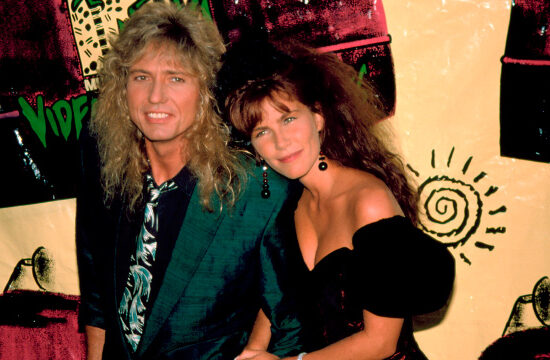
The late 1980s and early 1990s were a golden era for hard rock and hair metal. With big hair, flashy outfits, arena ready choruses, and guitar solos that could melt your speakers, bands like Mötley Crüe, Poison, Def Leppard, and Bon Jovi dominated the airwaves. But behind the biggest names was another group of talented bands that had the songs, musicianship, and attitude to become superstars of their own.
Some were held back by record label problems, others arrived at the wrong time, and a few simply never received the mainstream attention their music deserved. From melodic hard rock and glam metal to bluesy, heavy guitar driven rock, these bands helped make the era so memorable.
Here are 10 underrated hair metal bands that deserved to be much bigger, counting down from number 10 to number 1.
10. D.A.D. (Disneyland After Dark)
Danish rockers D.A.D., originally known as Disneyland After Dark, brought something a little different to the late ’80s hard rock scene. While many American glam metal bands leaned heavily into spandex, power ballads, and Sunset Strip excess, D.A.D. developed a quirky, energetic sound that blended hard rock, punk attitude, and catchy melodies.
Their 1989 album No Fuel Left for the Pilgrims was a standout release, featuring the memorable track “Sleeping My Day Away.” The song showcased the band’s knack for combining a driving rhythm with an instantly recognizable chorus. Lead singer Jesper Binzer had a distinctive voice, while guitarist Jacob Binzer delivered the kind of riffs and hooks that could have worked on American rock radio. D.A.D. achieved considerable success in Europe, but they never reached the same level of recognition in the United States as many of their American counterparts. Their unusual stage presence and willingness to experiment made them stand out in a crowded genre.
Why they deserved to be bigger: D.A.D. had the hooks, personality, and live energy to appeal to a much wider audience. With stronger American promotion, they could have become a major international hard rock act.
9. Precious Metal
Precious Metal was an all female hard rock band that challenged the assumptions of a scene largely dominated by male musicians. Emerging from Los Angeles, the group brought a combination of heavy guitars, melodic songwriting, and a polished glam metal presentation that fit perfectly with the late ’80s rock landscape.
Their self-titled debut album, released in 1985, helped establish their identity, while their later releases continued to demonstrate their ability to deliver muscular hard rock with memorable hooks. The band also benefited from having musicians who could perform the material themselves rather than relying on image alone.
At a time when female fronted rock acts were often marketed primarily around appearance, Precious Metal had the potential to be recognized for its songwriting and musicianship. They could move between hard driving rockers and more melodic material without losing their identity. Unfortunately, they never achieved the commercial breakthrough enjoyed by many of the era’s better known glam metal acts. The music industry was often reluctant to give bands that did not fit its preferred formula the same promotional support.
Why they deserved to be bigger: Precious Metal offered a fresh perspective on glam metal without sacrificing the riffs, attitude, or catchy choruses that made the genre popular. They deserved more opportunities to compete on the same stage as their male contemporaries.
8. Vain
Vain arrived with the kind of sound that seemed tailor made for the Sunset Strip. Led by vocalist Davy Vain, the San Francisco band combined sleazy hard rock, sharp guitar work, melodic choruses, and a darker edge that separated them from some of the more polished glam metal groups.
Their 1989 debut, No Respect, remains a cult favorite among fans of the genre. Songs such as “Beat the Bullet,” “Who’s Watching You,” and “Secrets” showcased a band capable of delivering both attitude and memorable songwriting. The album had a raw, dangerous quality that made it feel less manufactured than some mainstream hair metal releases.
Vain also had the advantage of arriving when record labels were still investing heavily in hard rock. Yet even with a strong debut and a devoted following, they never became household names. The band’s sound was perhaps too gritty for some mainstream audiences and not quite commercial enough to compete with the biggest radio acts. As grunge began changing the musical landscape in the early 1990s, bands like Vain faced an increasingly difficult road.
Why they deserved to be bigger: No Respect was a remarkably strong debut, packed with songs that could have become hard rock radio staples. Vain had the credibility, musicianship, and distinctive identity to become a lasting name in the genre.
7. Cats In Boots
Cats In Boots were another band that seemed poised for a major breakthrough just as the hair metal era was approaching its peak. Formed in Los Angeles by Japanese vocalist Joel Ellis, guitarist Takashi O’Hashi, bassist Yasu Matsushita, and drummer Randy Meers, the group blended American glam metal with a slightly different international flavor.
Their 1989 debut album, Kicked & Klawed, delivered energetic hard rock with plenty of attitude. Tracks such as “Shotgun Sally” and “Her Monkey” highlighted the band’s ability to combine aggressive guitar riffs with infectious melodies.
Cats In Boots had the look and sound of a band ready to tour with the biggest names in hard rock. Their performances were energetic, their songs were memorable, and their debut received attention from fans who appreciated a less predictable take on the Sunset Strip formula. However, the group struggled to translate that early promise into long-term success. The music industry’s changing priorities, combined with the rapidly shifting rock landscape, made it difficult for them to establish a lasting commercial presence.
Why they deserved to be bigger: Cats In Boots had a strong debut, an appealing international identity, and enough hard rock firepower to stand alongside more successful glam metal bands. A second major album with the right promotion could have changed their trajectory.
6. Gorky Park
Gorky Park were one of the most unusual acts to emerge during the late ’80s hard rock boom. Formed in Moscow during the final years of the Soviet Union, the band became internationally known for combining Western style hard rock with a Russian identity at a time when political and cultural barriers were beginning to break down.
Their self-titled 1989 debut album featured the hit “Bang,” as well as “Try to Find Me” and “My Generation.” The band embraced the glam metal sound of the era, complete with big guitars, anthemic choruses, and a visual identity that drew on Russian symbols and imagery.
Gorky Park benefited from the growing fascination with Soviet and Eastern European culture during the late Cold War period. Their MTV exposure and international touring helped them stand out from the hundreds of American bands competing for attention. Yet the novelty of their background could sometimes overshadow the music itself. While their debut generated attention, they never developed into the enduring mainstream hard rock force that their early exposure suggested they might become.
Why they deserved to be bigger: Gorky Park had a compelling story, a distinctive identity, and commercially accessible hard rock songs. Beyond the political and cultural curiosity surrounding the band, there was a solid group of musicians capable of appealing to a much larger audience.
5. Shark Island
Shark Island were one of the most respected underground bands to emerge from the Los Angeles hard rock scene. Fronted by the charismatic Richard Black, the group combined theatrical performances, strong musicianship, and a darker, more sophisticated approach to melodic hard rock.
Their roots stretched back to the early 1980s, when the band performed under the name Sharks. By the time they released Law of the Order in 1989, they had developed a sound that was more adventurous than the typical glam metal formula.
The album included standout tracks such as “Paris Calling,” “Ready or Not,” and “Why Should I Believe.” These songs combined memorable choruses with a muscular guitar sound and a sense of drama that helped separate Shark Island from the competition. The band also had a reputation for energetic live performances. Richard Black’s stage presence made them a compelling act, while the musicianship behind him gave the group credibility beyond its image.
Despite their talent, Shark Island never received the sustained commercial push needed to compete with the biggest bands of the era. Their sophisticated songwriting may have made them harder to market than acts built around straightforward party anthems.
Why they deserved to be bigger: Law of the Order was a strong showcase of everything great about late ’80s hard rock. Shark Island had the musical depth, stage presence, and songwriting ability to become much more than a cult favorite.
4. Enuff Z’Nuff
Enuff Z’Nuff were an especially interesting band because they never fit neatly into the standard hair metal mold. Hailing from Illinois, the group combined glam metal presentation with Beatles inspired melodies, power pop songwriting, psychedelic touches, and heavy guitars.
Their 1989 self-titled debut produced two of their best known songs, “New Thing” and “Fly High Michelle.” Both tracks demonstrated the band’s ability to create catchy, harmony rich rock songs without relying entirely on the usual glam metal formula.
Donnie Vie’s melodic vocals and songwriting were central to the band’s appeal, while guitarist Chip Z’Nuff helped create a sound that was simultaneously heavy, colorful, and surprisingly sophisticated. Their songs often featured layered harmonies and arrangements that reflected influences far beyond the Sunset Strip.
Enuff Z’Nuff received a degree of mainstream attention, and their music videos gained exposure on MTV. However, they never reached the commercial heights that many expected after their promising debut. Their distinctive sound may have made them difficult to categorize, especially as grunge began taking over rock radio.
Rather than disappearing, the band continued recording and performing, building a loyal following that appreciated their unique blend of hard rock and power pop.
Why they deserved to be bigger: Enuff Z’Nuff had the songwriting talent to transcend the hair metal label. Their combination of catchy hooks, vocal harmonies, and hard rock energy could have supported a much longer period of mainstream success.
3. McAuley Schenker Group
McAuley Schenker Group brought together two major talents: Irish vocalist Robin McAuley and legendary German guitarist Michael Schenker. The partnership gave the group a distinctive place in the late ’80s melodic hard rock scene, combining Schenker’s guitar virtuosity with McAuley’s powerful, polished vocals.
The band’s 1987 album, Perfect Timing, established the direction of the collaboration, while 1989’s Save Yourself delivered some of their strongest material. The title track became a fan favorite, and songs such as “Anytime” showcased the group’s ability to balance muscular guitar work with accessible melodies.
Michael Schenker already had an impressive reputation thanks to his work with Scorpions, UFO, and his own Michael Schenker Group. Robin McAuley, meanwhile, brought the vocal range and melodic sensibility needed to make the partnership work in an era when melodic hard rock was thriving.
The challenge was that the group existed in a crowded marketplace. Fans who preferred Schenker’s earlier, heavier sound sometimes viewed the more polished material differently, while mainstream audiences had numerous established bands competing for their attention. The collaboration produced memorable music, but it never became the consistent arena level success that its combined talent might have suggested.
Why they deserved to be bigger: McAuley Schenker Group had an exceptional guitarist, a powerful vocalist, and songs built for the radio. Their mix of technical guitar playing and melodic hard rock should have earned them a more prominent place in the era’s mainstream rock conversation.
2. Lillian Axe
Lillian Axe were one of the most musically accomplished bands to emerge from the American hard rock scene. Formed in New Orleans, the group combined heavy riffs, intricate guitar work, melodic vocals, and emotionally driven songwriting that frequently went beyond the conventions of glam metal.
Their self-titled debut arrived in 1988, but it was their 1990 album, Love + War, that helped cement their reputation among fans of sophisticated hard rock. Songs such as “Show a Little Love,” “True Believer,” and “Ghost of Winter” demonstrated the band’s range, moving between catchy hard rock, heavier passages, and more atmospheric material.
Guitarist Steve Blaze was central to the band’s identity, bringing a technical and compositional approach that gave Lillian Axe a more distinctive sound than many of their contemporaries. The band could deliver accessible melodies without abandoning its heavier edge. Their 1992 album, Poetic Justice, continued that musical development, but by then the mainstream music industry was moving rapidly toward alternative rock and grunge. Bands that had spent years building careers in the hard rock world suddenly faced a dramatically different marketplace.
Lillian Axe continued to record and perform, earning respect from dedicated fans, but their commercial potential was never fully realized.
Why they deserved to be bigger: Lillian Axe combined technical musicianship with genuinely strong songwriting. Their music had enough complexity to reward repeated listening while remaining melodic enough to appeal to a broad hard rock audience.
1. Badlands
At number one is Badlands, a band whose talent and musical direction made their relatively limited commercial success particularly frustrating.
Formed in 1988, Badlands featured vocalist Ray Gillen, guitarist Jake E. Lee, bassist Greg Chaisson, and drummer Eric Singer. The lineup brought together musicians with serious credentials: Lee had played with Ozzy Osbourne, Gillen had performed with Black Sabbath, and Singer would go on to work with major acts including Kiss.
Badlands moved away from the glossy glam metal production that dominated much of the late ’80s scene. Instead, the band drew heavily on blues based hard rock, classic heavy metal, and the influence of artists such as Led Zeppelin and Deep Purple. Their music emphasized powerful riffs, organic performances, and Gillen’s soulful, gritty vocals.
Their self-titled 1989 debut was a remarkable statement of intent. Tracks such as “High Wire,” “Dreams in the Dark,” and “Winter’s Call” showcased a band that could be heavy, melodic, and emotionally compelling without following the usual hair metal playbook.
The group followed up with Voodoo Highway in 1991, a bluesier and more exploratory album that further demonstrated its musical ambition. Unfortunately, internal tensions, lineup changes, and a rapidly changing music industry made it difficult for Badlands to build the long-term career their talent deserved.
By the early 1990s, grunge had transformed the commercial landscape, and bands associated with the previous decade’s hard rock scene faced an uphill battle. Badlands’ roots oriented sound arguably gave them a stronger musical foundation than many of their peers, but timing and circumstances worked against them.
Ray Gillen’s death in 1993 brought another tragic chapter to the band’s story, making their recorded legacy all the more poignant.
Why they deserved to be bigger: Badlands had the musicianship, songwriting, and vocal power to become one of the defining hard rock bands of their generation. Their music was rooted in classic rock but powerful enough for the metal audience. Had they enjoyed greater stability and a longer period of mainstream support, Badlands might have become one of the most respected hard rock acts of the 1990s.
Final Thoughts: The Bands That Made Hair Metal More Than a Trend
The hair metal era is often remembered through its biggest stars, but its deeper history is filled with bands that offered something distinctive. D.A.D. brought an unconventional European perspective, Precious Metal challenged the scene’s male dominated image, Vain delivered raw Sunset Strip attitude, and Cats In Boots combined catchy songwriting with international flair.
Gorky Park had a unique cultural identity, Shark Island delivered sophistication and theatricality, and Enuff Z’Nuff blurred the boundaries between glam metal and power pop. McAuley Schenker Group paired elite musicianship with melodic hooks, while Lillian Axe pushed the genre toward more ambitious songwriting. At the top of the list, Badlands demonstrated that hard rock could be bluesy, soulful, and technically impressive without sacrificing its power.
Many of these bands were victims of unfortunate timing, limited promotion, or the changing tastes of the music industry, but their music will always live on with hard rock and hair metal fans!